

Protect your Los Angeles homes ahead of El Niño 2026.
Protect your Los Angeles home from El Niño 2026. Learn how to prevent roof, window, stucco and building envelope leaks before heavy rain causes costly water damage. Here in Los Angeles the homes are a mixture of new construction, remodeled buildings and older original homes. With all of these different types of construction mentioned, you have conditions with regard to the building materials which are unique to that particular year in which the building was either built of remodeled. Below we’ll discuss the differences in these specific building types and what can be done to improve their ability to withstand water intrusion during the heavy rains around by El Niño 2026. BLD testing agency is your one stop shop for all things water infiltration related.
Heres what chat GPT has to say about the 2026 El Niño storm
According to the latest NOAA Climate Prediction Center update from August 13, 2026, El Niño is strengthening significantly. NOAA currently gives it a greater than 90% chance of being a very strong event during fall and winter 2026–27. NOAA also says there is a 69% chance of an event reaching historically strong levels, potentially exceeding previous El Niño events dating back to 1950.
That makes 2026–27 potentially a very significant El Niño season.
What does that mean for Los Angeles?
This is where it becomes relevant to your article.
Historically, El Niño can increase the likelihood of wetter-than-normal conditions across Southern California, particularly during the winter. However, it’s important not to say that El Niño guarantees more rain in Los Angeles. NOAA specifically cautions that a stronger El Niño makes certain impacts more likely, but does not guarantee them.
7 Systems To Pay Close Attention in preparation for 2026 El Niño storm here in Los Angeles

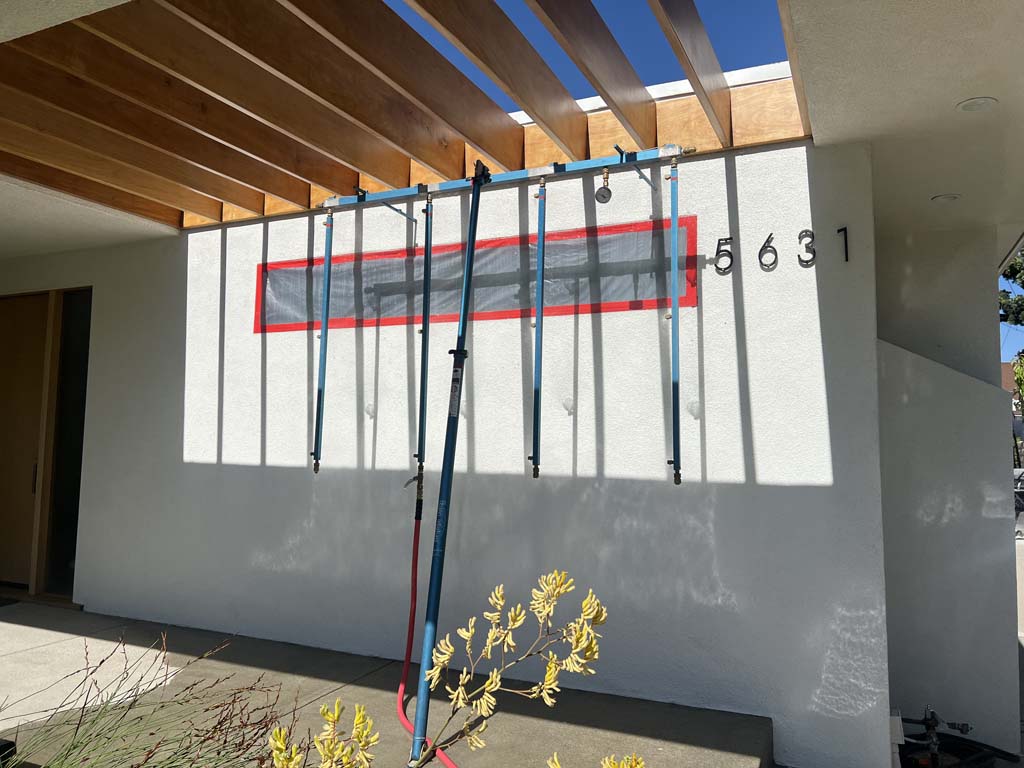
1) Windows
Windows makes up about 25% of leaks into a building. So if you have older windows just pay close attention to the seals around the window and make sure the weep holes are cleared.

2) Roofing
Roofing leaks make us about 40% of all building leaks here in Los Angeles. If you have an older roof, check the penetrations which are the pipes etc… that enter the roofing material. Seal the penetrations as needed, replace broken or missing materials and clear the roof of debris.
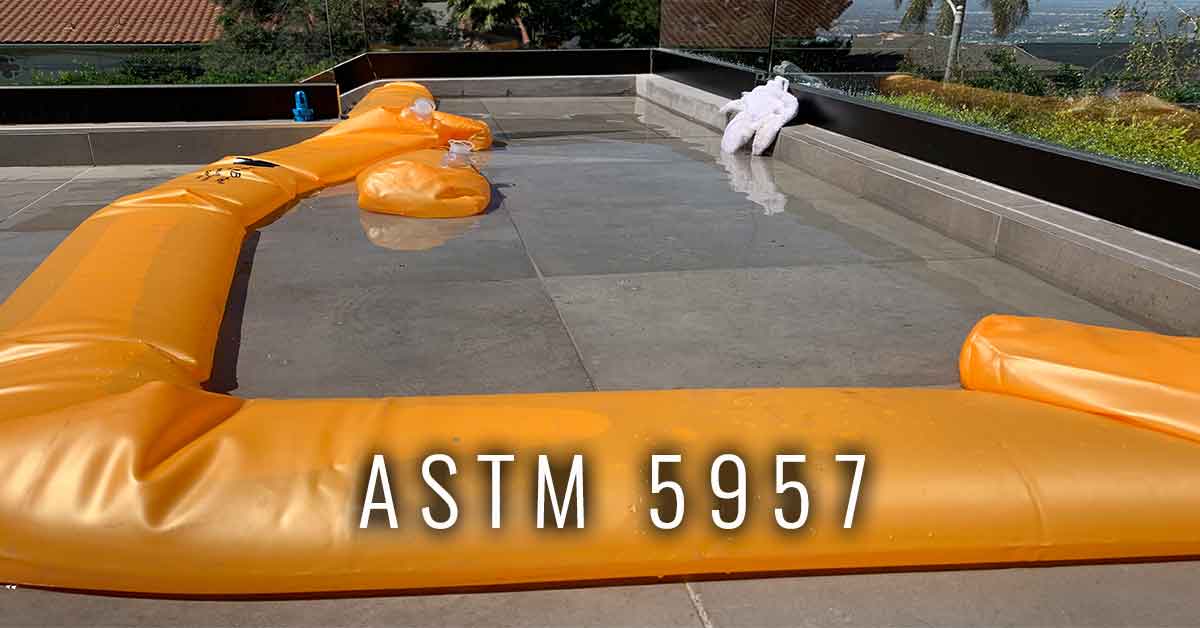
3) Decks and Balcony’s
Decks and balconies make up only about 15% of all the leaks we test here in Los Angeles. The location where decks leak the most isn’t necessarily in the middle, it’s usually at the edge, railing, door, or penetrations into the deck system. inspect and seal areas such as the plugs and lights which are building into the deck or railing, inspect and seal the door track or sill where it connects to the deck and don’t forget to clean the deck and drains thoroughly.
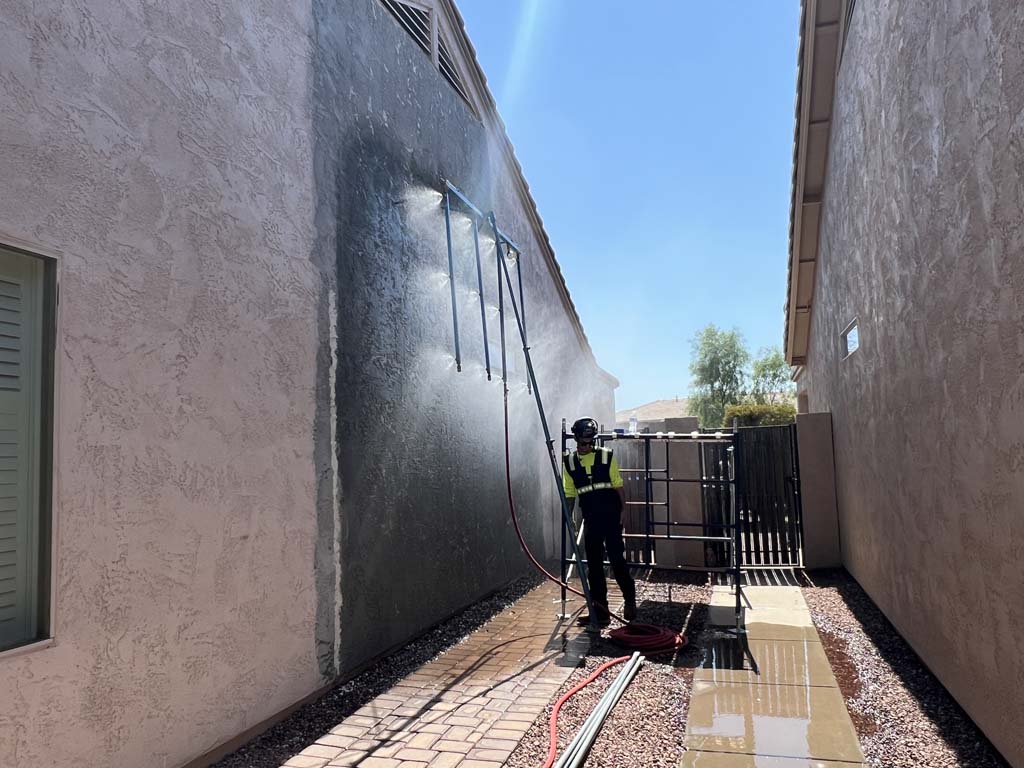
4) Stucco or Siding Clad Walls
Whether or not you have stucco clad walls or siding, this tip is for you. In either wall system, make sure you throughly inspect the connections of the wall to other systems like windows, gutters, or trim from say windows. Especially retrofit windows which require constant maintenance I.e. sealant at the trim to wall connection. Additionally, look for other penetrations such as pipes, vents, plugs, light fixtures into the wall.. Seal these connections with a goof 50 year polyurethane sealant.
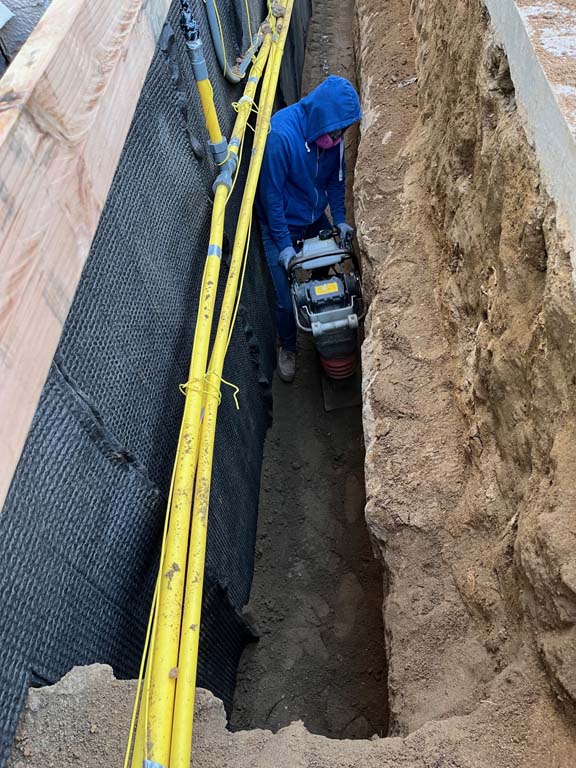
5) Drainage At Or Near The Foundation
Foundation drainage is crucial for maintaining a healthy leak free home or building. Before the 2026 El Niño storm gets here, take a walk around the perimeter of the foundation. What you’re lookin for are areas where water will either sit close to the foundation or slope back towards the foundation. This is called negative grade, and it’s not a good thing. Negative grade can contribute to water infiltration at the sill plate, or if its a raised foundation like so may in LA are, water will enter under the home and just sit there with nowhere to drain.
This is bad for 2 reasons. #1 – the foundation runs the risk of settlement at a tremendous cost to the building owner. #2 – The water gets trapped under the building and leads to mold growth. Having seem both of these conditions, they are both extremely expensive to remedy and therefore should never be over looked.
6) Gutters and Downspouts
Although it doest rain that much here in Los Angeles, when it does it really pours. This 2026 El Niño storm is supposed to epic in terms of water dumped not the ground. Most people don’t even realize that the roof takes up a huge footprint on the lot. As a result, the rain has to collect in this area and then drain somewhere. For example, if the roof makes up 3500 square feet on your 10,000 square foot lot, that means 2000 gallons of water will drop onto your roof deck with only 1″ of rainfall.
Think about that for a second… 2000 gallons of water collected in the gutter system for just one inch of rainfall. So where does all that rain fall go? Well, the water ends up going into your gutter system and then into the downspouts and then hopefully it drains away from the building or, it drains into a sub surface drainage system. Building code requires that water drain away from the building by a minimum of 25% slope. That equals 1/4 inch per foot.
But I would recommend prior to El Niño is to have your gutter system evaluated to make sure that it’s clean first of all and that secondly it’s large enough to handle the amount of rain volume. Your roof may collect. Not all gutter systems installed are installed or calculated to meet the volume of your roof system. In fact, there’s an equation that can determine the amount of volume your gutter system should be able to handle. And that looks like this…
DRAINAGE DESIGN METHODOLOGY
Stormwater runoff calculations were prepared using the Rational Method, expressed as: Q=C×I×A
Where:
- Q = Peak runoff rate
- C = Runoff coefficient
- I = Rainfall intensity
- A = Drainage area
In short, I would highly recommend that your gutter system be inspected, cleaned and serviced if necessary ahead of the 2026 El Niño storm.
Doors of all types
The last place I think most people consider to be a water intrusion point in their home, are doors. If you think about it, a door is effectively a penetration into the buildings envelope system. This penetration is waterproof when it was initially installed i.e. the door. Therefore, no water should enter anywhere around or under the door, system. Here in Los Angeles, most people are unaware how doors are actually installed and as a result, do not usually understand what it is that they’re looking at when they leak.
As an individual who’s performed thousands of test on doors, I understand that there’s only a few places that can enter.
- Around the door frame
- Underneath the door
- Through the door
Around the door, System is generally an issue with the installation. Which could mean the building paper, the waterproofing used to install the door, or a combination of the two. Many people are unaware that with building envelope systems the building paper has a lifespan. The lifespan of building paper is generally 30 to 50 years however it can fail sooner. If a door leaks around the perimeter, it can only be the building envelope paper or the flashing used to install into WRB (water resistant barrier).
Water can just easily weak underneath the door if precautions are not taken when it was installed. These precautions are a drip pan which many building codes require now. Or it’s possible the door sill or threshold was never installed correctly or sealed.
Water running through the door System is generally a product issue and it’s difficult to resolve without replacement. These are easy to spot. You can literally see the water running through the door.
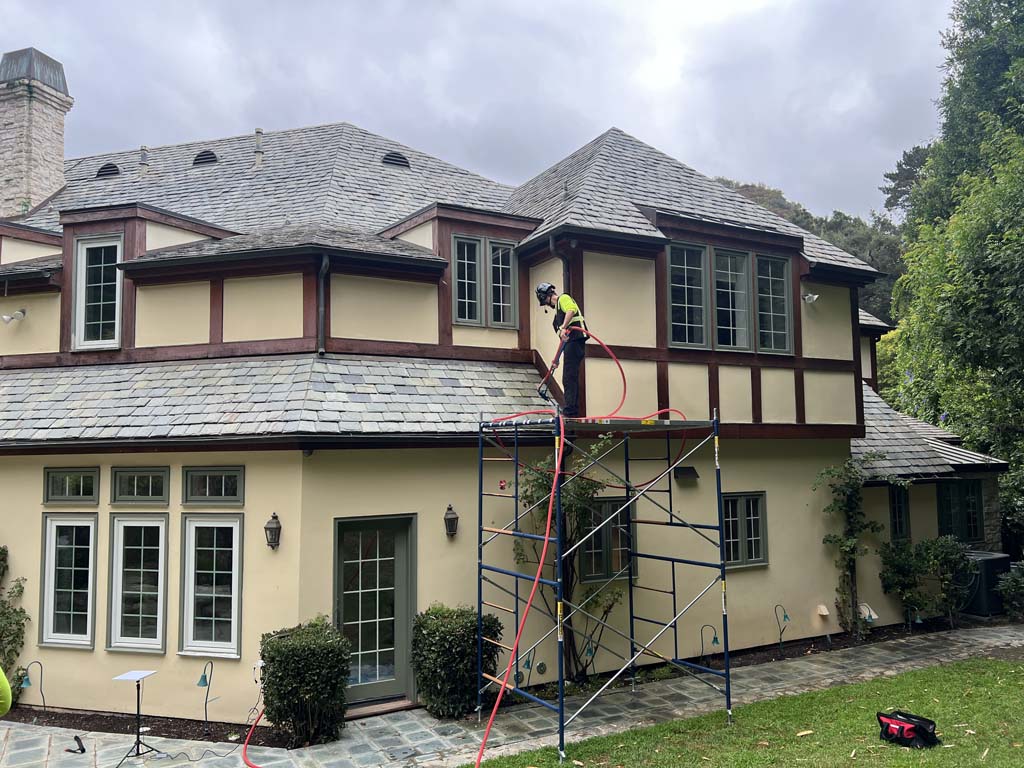
Older Homes in Los Angeles
It’s a fact, that the older buildings are not built with the most modern or state-of-the-art building materials, standards, or codes available. With older homes building to an older building standard, you have building materials which never evolved and therefore may be subject to premature deterioration or were simply never designed to withstand age, severe weather changes, or the ability to protect a home from water infiltration during these heaving rains like the 2026 El Niño storm.

5 Ways To Protect Your Older Home Ahead of El Niño 2026
- Check the ground soil level around the building. Many of the buildings dont have a footing exposed around the perimeter of the home which blocks water from entering the structure. So with high soil levels, in time, especially with older buildings, water can easily enter the structure, This happens when the soil around the building changes with the introduction of foliage such as trees and large bushes. The soil heaves and thus is no longer sloped away from the structure. When this happens, water tends to pond agains the building and stays there and does not drain away.
- In most all older homes, say, 50+ years in age, there is no weep screed on the building. The weep screed is a flashing at the bottom of the wall that allows the stucco wall to drain when rain saturates the wall system. Without it, water has the potential to infiltrate into the interior of the building.
- Inspect your windows and doors for damaged weather seals which may leak. In the event you may feel your windows or doors are compromised and leak, you can have a fenestration test performed to determine whether or not the windows are defective.
- Ensure the gutters are clean and clear. Make sure the downspouts drain away from the building at least 5 feet from the foundation or into an existing subsurface drain.
- As with every home, the exterior finish grade is suggested to slope away from the building and not collect near the foundation. Planters are another component that will help keep water near the foundation which will contribute to water infiltration into or under the home.
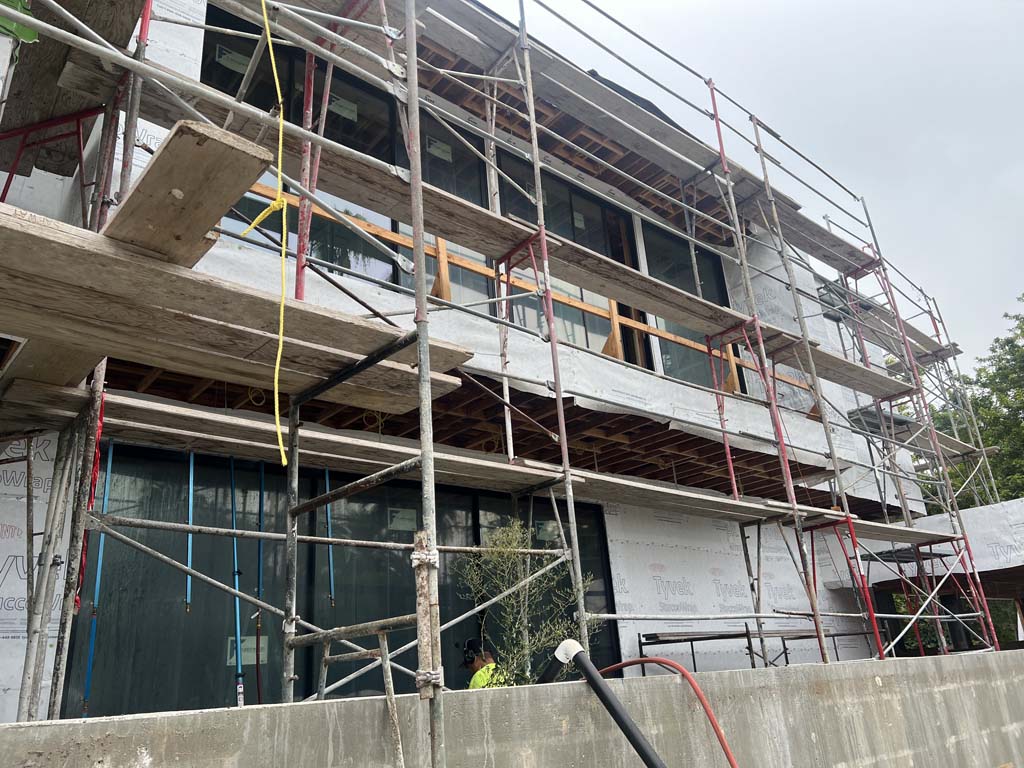
New Construction Homes in Los Angeles
Where do I start with this? It’s been said that things are building like they use to be. And honestly, having worked for the CSLB, and doing this job for as long as I have I can honestly agree with that statement. Don’t get me wrong, new homes by and large are built to the most stringent building codes known in the USA. That said, it’s not the codes that is the issue with new buildings having leaks, its the people building the homes and cutting corners.
5 Ways To Protect Your New Construction Home Ahead of El Niño 2026
- The biggest issue we see in new building construction, is window failure. When I say window failure it falls into two categories… window project failure, window installation failure. The good news is that we can test the wall and determine with 100% certainty which of the two is the issue. So how can you protect yourself agains the upcoming El Niño? Have someone investigate each window or door in your home and look for moisture staining within the inner window / door frame or on the wall around the fenestration product.
- Inspect your weep screed for blocked holes. The weep screed is a flashing at the bottom of your stucco wall. In some cases, during construction the weep holes in the screed are blocked daily during the installation of the stucco coating. If the holes are blocked, water cannot exit the wall and drain out to the yard.
- Roof leaks are probably the third biggest issue we see with new construction homes. Whether it’s concrete tile, natural stone, flat roofing materials or something close, make sure you have the roof thoroughly inspected before the 2026 El Niño storm coming our way. A professional roofing contractor will easily be able to spot vulnerabilities within your roof system with enough time to have them repaired.
- Ensure the gutters are clean and clear. Make sure the downspouts drain away from the building at least 5 feet from the foundation or into an existing subsurface drain.
- As with every home, the exterior finish grade is suggested to slope away from the building and not collect near the foundation. Planters are another component that will help keep water near the foundation which will contribute to water infiltration into or under the home.
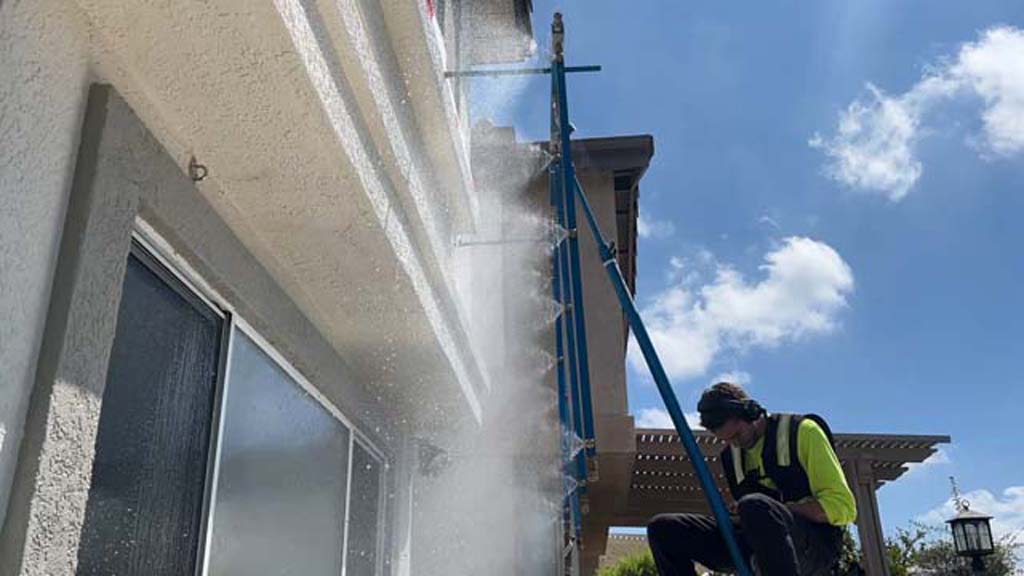
Remodeled Homes in Los Angeles
In Los Angeles, it seems that construction is a constant ongoing process. The unfortunate part about remodeling is having to choose the best contractor. Having performed water intrusion testing in Los Angeles of as many years as we have, you tend to see then same issues repeated constantly. So what are some of the issue we see? Leaking windows, leaking stucco walls, leaking skylights, leaking foundation walls, and leaking roofs. Its difficult to stress enough how important it is to make sure that water intrusion testing is part of the building plan throughout teh entire remodel.
5 Ways To Protect Your Remodeled Home Ahead of El Niño 2026
- When you are having your new windows installed into your remodeled home, make sure the contractor performs an ASTM E1105 water intrusion test on the newly installed window systems before the stucco is installed. This water tests will show you whether the window has failed or the installation of the window into the wall is leaking.
- Test your newly installed doors just after they are installed into the wall and just before the stucco is installed.
- Roofing systems tend to fail quite frequently. There are many different types of roofing systems and there are also just as many different types of tests to determine if the roof is water tight ahead of the 2026 El Niño storm.
- Deck systems are often overlooked. We test hundreds of decks annually and cannot tell you how many of these decks leak. The waterproofing is suggested to be tested before the top coat or whatever finish you’re applying to the top of the deck. The test for deck systems is the ASTM 5957
- Of course foundation, grading and gutters. This is so often overlooked after construction is complete. That said, the gutters will collect a ton of rainfall and dump it close to the foundation if the downspouts do not route the water away at least 5 feet or into a drain. If the grading is sloped incorrectly or towards the building, that means the water will not properly flow away from the foundation. Furthermore, if it’s a raised foundation, water can collect under the building leading to mold and all sorts of bad things.

How Thermal Imaging is Cheating When Looking For Water Intrusion
After twenty years of using thermal imaging I still say it’s cheating when looking for water intrusion in a building. Way back when I first bought my infrared camera here in Los Angeles it was over $10,000 but now? Thermal imaging camera have come down significantly in price. Heck, they even sell them at stores like Home Depot and Lowes. Or you can go to amazon and grab one that attaches to your phone.
There are a few caveats to buying an infrared camera to look for water intrusion during rain.
- Make sure the camera has a high image quality such as 320 x 240 or above. The reason for this is false positives. Thats correct. When using an infrared camera its very easy to mistaken a cold wall for moisture intrusion when in fact, its just a wall that is missing insulation.
- Dont buy a camera where you cant change the pallet from color to black and white. The reason for this is in many cases when searching for moisture in a building you may need to change the pallet to better identify what is really water in your building or just a false positive.
- There are so many cameras which do not have video. Although many will argue it’s not a deal killer, however, I would argue this fact. Reason being, I use video so I can collect real time data for example, water running inside a wall or even outside a wall. Better than pictures, it is for me a necessity.
I’ve Never Used Thermal Cameras Before… Will I Be Able To Master It instantly?
The very short answer is yes, absolutely. I say this because the camera is designed to display temperature differences. So as long as you have a 10-20 degree differential inside the building you’re testing, you will definitely see something. So yes, even a newbie can master the use of an infrared camera just by simply picking it up.
Now let’s say you don’t have that 10-20 degree differential? Well, you can turn up the AC or turn up the heat to create a larger differential int the building. It’s that easy. remember the camera is designed to see temperature differences. Not water. But, water entering a building is usually cooler than the interior ambient temperature.
Telephone No.661-904-1895